
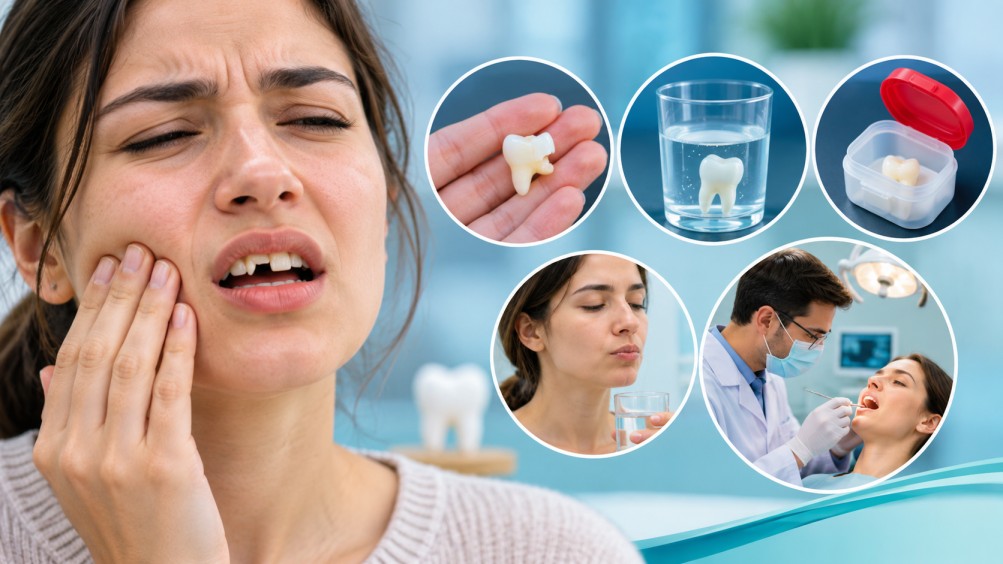
A broken or knocked-out tooth can happen unexpectedly, whether you’re playing sports, eating something hard or dealing with an accidental fall. Knowing what to do in those first few minutes can make a real difference to your dental health and the chances of saving the tooth. Although the situation can feel stressful, staying calm and acting quickly can help prevent further damage. If you experience a dental injury, contacting an emergency dental clinic in Mississauga promptly can help you get the assessment and treatment you need.
What to Do Immediately If You Break or Knock Out a Tooth
The right first-aid steps depend on whether the tooth is chipped, cracked, broken or completely knocked out. In every case, avoid delaying professional care, even if the pain seems manageable.
If You Break or Chip a Tooth
A small chip may not cause significant discomfort, but a larger break can expose the sensitive inner layers of the tooth. This may lead to pain, sensitivity or an increased risk of infection.
Take these steps while arranging dental care:
- Rinse your mouth gently: Use lukewarm water to clear away blood and loose debris.
- Save any broken pieces: If you can find the fragments, place them in a clean container and bring them to your appointment. Your dentist can assess whether they may be useful.
- Control any bleeding: Apply gentle pressure with clean gauze to the affected area if it is bleeding.
- Reduce swelling: Hold a cold compress against the outside of your cheek for short intervals.
- Avoid chewing on the damaged tooth: Choose soft foods and avoid very hot, cold or hard items if they trigger discomfort.
Do not attempt to file the tooth down, glue the broken pieces back into place or apply household adhesives. These actions may cause additional damage or irritation.
Depending on the severity of the injury, treatment may involve smoothing a minor chip, placing a filling or bonding material, fitting a dental crown, or performing root canal treatment if the inner pulp has been damaged.
If Your Tooth Is Completely Knocked Out
A permanent tooth that has been completely knocked out requires immediate attention. The chances of successfully reimplanting it are generally better when treatment begins quickly, ideally within 30 minutes.
Follow these steps:
- Find the tooth: Pick it up by the crown, which is the visible chewing portion. Avoid touching the root.
- Rinse it gently if necessary: If the tooth is dirty, briefly rinse it with milk or saline. Do not scrub it, scrape the root or use soap.
- Reinsert it if possible: If it is a permanent tooth and you can do so easily, gently place it back into its socket without forcing it. Bite softly on clean gauze to keep it in position.
- Keep it moist: If reinsertion is not possible, store the tooth in milk or an appropriate tooth-preservation solution. Saliva in a container may be another option. Do not let the tooth dry out.
- Seek immediate dental care: Contact an emergency dental clinic in Mississauga and explain that a permanent tooth has been knocked out.
Never reinsert a baby tooth, as doing so can damage the developing permanent tooth underneath. If the injury involves a young child, seek urgent dental advice.
If the accident has caused a serious head injury, loss of consciousness, difficulty breathing or uncontrolled bleeding, seek emergency medical assistance immediately.
When to Seek Emergency Dental Treatment and What to Expect
Not every dental injury looks serious at first. A tooth may develop a crack that is difficult to see, while damage to the inner pulp may not cause immediate pain. Prompt examination can help identify problems before they become more complicated.
Contact a dentist urgently if you experience any of the following:
- A permanent tooth has been knocked out or displaced.
- A large portion of a tooth has broken off.
- You have severe or persistent tooth pain.
- There is significant bleeding or swelling.
- Your bite feels different after an accident.
- You notice a crack accompanied by sensitivity or pain when biting.
A dentist will examine the affected tooth, surrounding gums and supporting structures. Dental X-rays may be needed to check for root fractures or damage to the bone. Treatment will depend on the injury and may include repositioning a displaced tooth, stabilizing it with a splint, repairing the damaged area or treating the tooth’s pulp.
In some cases, a tooth cannot be saved and may need to be extracted. Your dentist can explain replacement options once the injury has been assessed and the surrounding tissues have been evaluated.
If you are unsure whether your injury needs immediate attention, it is safer to seek professional advice rather than wait for symptoms to worsen. An emergency dental clinic in Mississauga can assess the situation and help determine the next steps based on the nature of the injury.
How to Reduce the Risk of Further Damage
While waiting for your appointment, avoid putting pressure on the injured tooth. Do not chew hard foods, and keep the area clean by rinsing gently with water. If you need pain relief, use an appropriate over-the-counter medication according to the label and your health circumstances. Never place aspirin directly against the tooth or gums, as it can irritate the tissue.
To help prevent future dental injuries, wear a properly fitted mouthguard during contact sports, avoid biting hard objects and attend regular dental checkups. Addressing existing dental problems can also help reduce the risk of fractures in weakened teeth.
Frequently Asked Questions
1. Can a knocked-out permanent tooth be saved?
Yes, sometimes. Prompt treatment improves the chances of saving it, although the outcome depends on how the tooth was handled and the extent of the injury.
2. Should I go to the hospital for a broken tooth?
A dentist can usually manage an isolated broken tooth. Go to an emergency department if you have a serious head injury, breathing difficulties or uncontrolled bleeding.
3. Can a cracked tooth heal on its own?
No. Unlike bone, a cracked tooth cannot repair itself. Dental treatment can prevent further damage and help preserve the tooth when possible.
4. What should I do if a baby tooth is knocked out?
Do not put it back into the socket. Contact a dentist promptly to check for damage to the gums and the developing permanent tooth.
5. How quickly should I see a dentist after breaking a tooth?
Seek advice as soon as possible, particularly if you have pain, bleeding or a large fracture. A knocked-out permanent tooth requires immediate attention.
Need urgent dental attention? Contact Afflux Dentistry to discuss your dental injury and arrange an assessment. Acting promptly can help protect your oral health and give your dentist the best opportunity to recommend the appropriate treatment.