
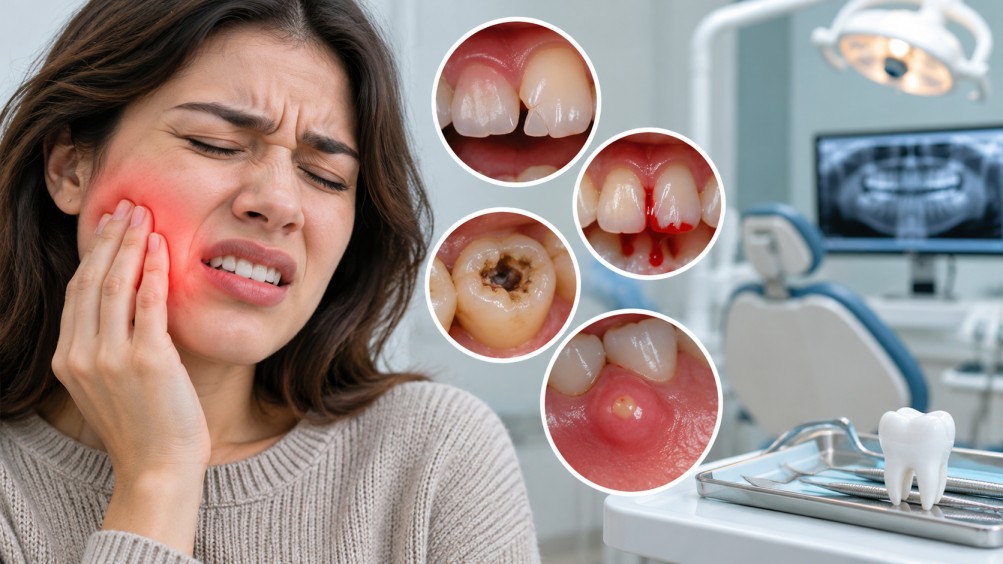
A dental problem does not always happen at a convenient time. A sudden toothache, broken tooth, swelling or dental injury can leave you wondering whether you should wait for a regular appointment or seek immediate care. Knowing what qualifies as a dental emergency can help you respond promptly and avoid allowing a potentially serious problem to worsen.
Dental Problems That May Require Urgent Attention
Not every dental issue requires emergency treatment, but certain symptoms should not be ignored. Severe or persistent tooth pain is one of the most common reasons people seek urgent dental care. Pain that interferes with eating, sleeping or normal daily activities may indicate an underlying problem that needs professional assessment.
A knocked-out permanent tooth is another situation where timing matters. If a tooth has been completely displaced because of an accident or injury, seek dental attention as soon as possible. Handle the tooth carefully by the crown rather than the root and avoid unnecessarily touching or scrubbing it.
A cracked or broken tooth can also require prompt assessment, particularly when the damage causes significant pain or exposes the inner portion of the tooth. Similarly, a dental restoration such as a filling, crown or bridge that becomes displaced may require attention depending on the circumstances.
Significant swelling around the gums, face or jaw should also be taken seriously. Swelling accompanied by fever, severe pain, difficulty swallowing or difficulty breathing can indicate an infection requiring urgent medical or dental evaluation. In situations involving difficulty breathing or swallowing, emergency medical services may be necessary rather than waiting for a routine dental appointment.
If you are unsure whether your symptoms require immediate attention, contacting an emergency dental clinic in Mississauga can help you understand the appropriate next step.
Dental Injuries and Severe Pain
Dental emergencies can result from falls, sports injuries, vehicle accidents or other forms of trauma. Even when a tooth does not appear completely broken, an injury can damage the tooth, surrounding tissues or jaw.
Bleeding that does not stop with reasonable first-aid measures, severe pain following an injury, or a tooth that has been displaced should be assessed promptly. Children and adults can both experience dental trauma, and delaying an assessment may make treatment more complicated in some cases.
Severe toothache without an obvious injury should not automatically be dismissed as something that can wait. Tooth decay, infection, damaged fillings and other dental conditions can cause intense pain. Pain medication may temporarily reduce discomfort, but it does not address the underlying cause.
An emergency dental clinic in Mississauga can assess the source of sudden dental pain and determine whether urgent treatment is appropriate. Depending on the condition, treatment may involve managing an infection, repairing damage, relieving pain or arranging further dental care.
When Is It Safe to Wait?
Some dental concerns are uncomfortable but may not require emergency treatment. Mild tooth sensitivity, a small chip without pain, or an occasional minor gum irritation may often be addressed through a regular dental appointment.
However, symptoms can change. A problem that initially seems minor may become more painful or develop swelling, sensitivity or other concerning symptoms. Rather than relying solely on how serious a problem appears, consider how quickly the symptoms are changing and whether they are affecting your ability to eat, sleep or carry out normal activities.
If you have an existing dental condition and your dentist has given you specific instructions about what to do if symptoms worsen, follow those instructions.
It is also useful to distinguish between dental emergencies and medical emergencies. Facial trauma involving possible jaw fractures, uncontrolled bleeding, difficulty breathing or swallowing, loss of consciousness or other serious symptoms may require immediate hospital or emergency medical attention.
For less severe but urgent dental concerns, an emergency dental clinic in Mississauga may be able to assess the problem and advise you about appropriate treatment.
What to Do While Waiting for Dental Care
Until you can receive professional care, avoid placing aspirin directly against the gums or affected tooth, as this can irritate the tissues. For swelling caused by an injury, a cold compress applied externally may provide temporary relief.
If a permanent tooth has been knocked out, avoid handling the root. Keep the tooth moist and seek dental care immediately. Do not attempt to force a displaced tooth back into position unless specifically instructed by a dental professional.
Most importantly, avoid ignoring severe or worsening symptoms simply because the discomfort temporarily improves. Dental pain can fluctuate, while the underlying problem may remain.
FAQs
- What is considered a dental emergency?
Severe tooth pain, significant swelling, dental trauma, a knocked-out permanent tooth, uncontrolled oral bleeding and certain signs of infection may require urgent dental assessment. - Should I visit a dentist for severe tooth pain?
Yes. Severe or persistent tooth pain should be professionally assessed, particularly when it affects eating, sleeping or normal daily activities. - Is facial swelling a dental emergency?
Facial or jaw swelling can indicate an infection or another dental problem requiring prompt assessment. Difficulty breathing or swallowing requires immediate emergency medical attention. - What should I do if my permanent tooth is knocked out?
Handle the tooth by the crown, avoid touching the root, keep it moist and seek professional dental care immediately. - Can a chipped tooth wait until a regular appointment?
A small, painless chip may not require emergency treatment, but a painful or severely damaged tooth should be assessed promptly.
Get Prompt Dental Care
When a dental problem feels urgent, getting professional advice can help you understand what needs to happen next. Afflux Dentistry can help assess dental concerns and guide you towards appropriate care. Contact the clinic if you are experiencing symptoms that require prompt dental.