
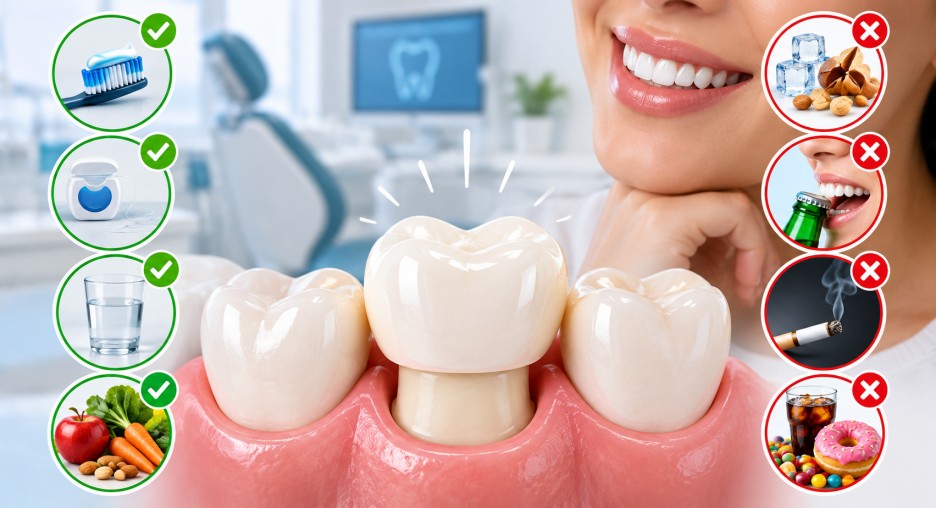
A dental crown can restore the appearance, strength and function of a damaged or weakened tooth. However, proper aftercare plays an important role in protecting your investment and helping your crown last longer. Whether you have recently received a crown or are preparing for treatment, following the right care routine can support your oral health and prevent future complications.
Understanding Dental Crown Care After Treatment
Dental crowns are custom-made restorations placed over a damaged tooth to improve its strength and appearance. They are commonly recommended for teeth affected by decay, cracks, large fillings or after root canal treatment. While crowns are designed to be durable, they still require consistent care to maintain their condition.
Patients receiving dental crowns in Mississauga should remember that the crown itself cannot develop cavities, but the natural tooth underneath and the surrounding gums still need protection. Poor oral hygiene can lead to plaque buildup, gum problems or decay around the edges of the crown.
Immediately after crown placement, some patients may experience mild sensitivity, especially when consuming hot or cold foods. This is often temporary, but it is important to follow your dentist’s instructions during the adjustment period. Avoiding unnecessary pressure on the treated tooth can help the crown settle properly.
Maintaining regular dental appointments is another important part of crown care. Professional cleanings and routine examinations allow your dentist to monitor the crown, check your bite and identify any concerns before they become serious.
Do’s and Don’ts After Getting a Dental Crown
Do’s for Maintaining Your Crown
Maintain good oral hygiene: Brush your teeth at least twice daily using fluoride toothpaste and clean between your teeth with floss or an interdental cleaner. Keeping the area around your crown clean helps protect your gums and the underlying tooth.
Choose foods carefully after treatment: If your crown has been recently placed, follow your dentist’s recommendations regarding eating habits. Softer foods may be more comfortable initially while the tooth adjusts.
Attend regular dental check-ups: Routine visits allow your dentist to evaluate the condition of your crown and overall oral health. Regular monitoring is especially important for identifying early signs of wear or damage.
Protect your teeth from excessive pressure: If you grind or clench your teeth, discuss this with your dentist. A custom night guard may help reduce stress on your crown and natural teeth.
Follow professional recommendations: Every patient’s situation is different. Following the advice provided by your dental team can improve the longevity and performance of your restoration.
Don’ts That Can Damage Your Dental Crown
Avoid chewing hard objects: Biting on ice, pens, hard candies or other non-food items can place unnecessary pressure on your crown. These habits may increase the risk of cracks or damage over time.
Do not ignore discomfort: Mild sensitivity can occur after crown placement, but ongoing pain, looseness or changes in your bite should not be ignored. Contact your dentist if you notice unusual symptoms.
Avoid poor brushing habits: Skipping brushing or inadequate cleaning around the crown can contribute to gum irritation and oral health issues. Even durable restorations require proper maintenance.
Do not use your teeth as tools: Opening packages or holding objects with your teeth can damage both crowns and natural teeth.
Choosing dental crowns in Mississauga is an effective way to restore damaged teeth, but long-term success depends heavily on proper maintenance. A well-cared-for crown can continue supporting your smile while helping you maintain comfortable chewing and improved dental function.
How to Extend the Lifespan of Your Dental Crown
The lifespan of a dental crown depends on several factors, including oral hygiene, eating habits, bite pressure and regular dental care. While crowns are made from strong materials, they are not completely resistant to damage caused by excessive force or neglect.
Patients should focus on maintaining a balanced oral care routine. This includes brushing properly, flossing regularly and visiting the dentist for professional evaluations. Avoiding tobacco products and limiting excessive consumption of sugary foods can also support better oral health.
A healthy lifestyle and preventive care can help protect the tooth beneath the crown. Even if your restoration feels comfortable, routine examinations remain important because some dental concerns may not cause noticeable symptoms in the early stages.
For individuals considering dental crowns in Mississauga, understanding aftercare expectations before treatment can make the recovery process smoother. Your dentist can provide guidance on cleaning techniques, dietary adjustments and habits that may affect the durability of your crown.
With the right care, dental crowns can provide a reliable solution for restoring damaged teeth while helping patients maintain a confident smile.
FAQs
1. How long should I wait to eat after getting a dental crown?
Patients should follow their dentist’s instructions, especially if temporary cement or anaesthesia is involved. It is usually recommended to avoid chewing until the numbness wears off.
2. Can I brush normally after getting a dental crown?
Yes, you can usually brush normally after crown placement. Gentle brushing and proper flossing help keep the crown and surrounding gums healthy.
3. How long do dental crowns usually last?
Dental crowns can last many years with proper care. Their lifespan depends on oral hygiene, eating habits, bite pressure and regular dental visits.
4. Can a dental crown become loose?
Yes, crowns can become loose due to wear, damage or issues with the underlying tooth. Contact your dentist if you notice movement or discomfort.
5. Are dental crowns difficult to maintain?
No, dental crowns are generally easy to maintain. Regular brushing, flossing, dental check-ups and avoiding damaging habits can help keep them in good condition.
If you need expert advice about restoring damaged teeth, Afflux Dentistry offers personalised dental care solutions based on your needs. Schedule a consultation today to explore suitable crown treatment options and learn how to maintain a healthy, confident smile.